As the world starts leaning more towards cleaner energy solutions, the significance of the Shore Power Converterindustry is becoming pretty obvious. I remember John Smith, a well-known expert in marine electrical systems, once said, "Shore Power Converters are crucial for cutting down emissions in harbors." That really underscores how important they are when it comes to supporting our environment.
In many coastal cities, a lot of ships rely on these converters to get power while they’re docked. It’s a smart move because it helps cut down on the use of noisy, polluting diesel generators. That said, it’s not all smooth sailing — the market’s changing fast, with tons of different options popping up all the time. Some of these solutions just don’t cut it when it comes to efficiency, so there’s definitely a need for ongoing innovation and upgrades.
For investors and operators alike, it’s really about weighing your options carefully. A Shore Power Converter should not only handle today’s needs but also be ready for what’s coming down the line. Finding that sweet spot between cost and dependability is key. The talks around these systems are ongoing, but they all point toward one bigger goal: making our oceans and communities a greener, cleaner place to be.
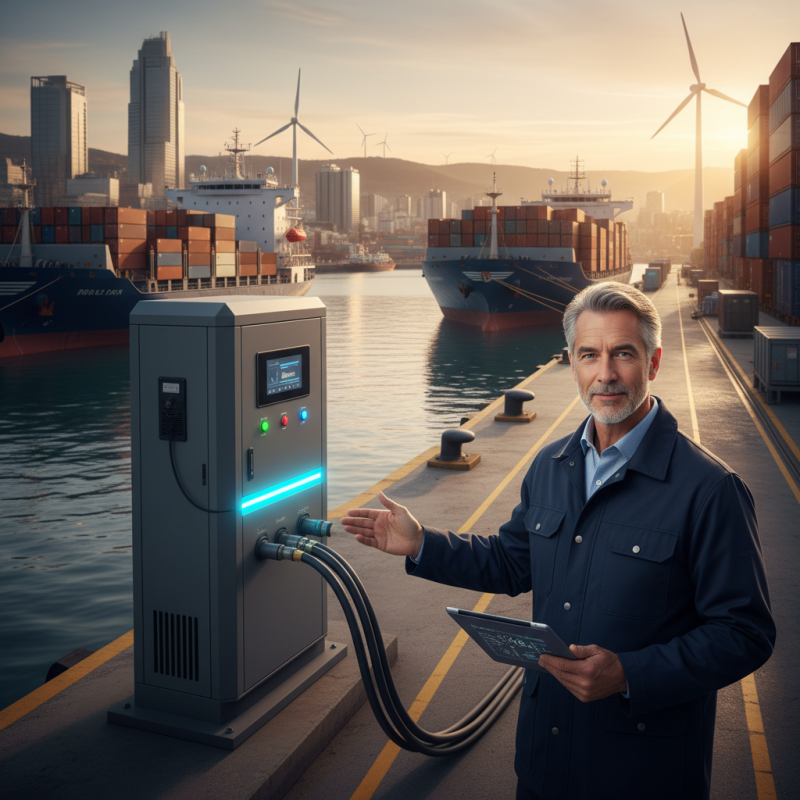
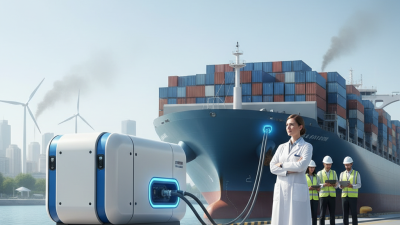
Shore power converter solutions play a critical role in reducing emissions from docked vessels. These systems allow ships to connect to the local power grid while at berth, minimizing reliance on auxiliary engines. According to recent studies, adopting shore power can cut greenhouse gas emissions by up to 80%. This transition is essential for improving air quality in port cities.
The installation of shore power systems is on the rise globally. A report from the International Maritime Organization (IMO) highlights that more than 200 ports worldwide are implementing or planning to implement shore power. However, there are challenges to consider. Infrastructure costs can be high, with estimates exceeding $1 million per installation. Not all ports have the necessary upgrades to accommodate this technology.
There is room for improvement in standardization and compatibility. Many vessels require unique power specifications, complicating the process for ports wishing to install these systems. Feedback from industry experts emphasizes the need for collaboration among stakeholders. Finding common ground is vital to streamline this critical technology's adoption. As the demand increases, so does the urgency to tackle these issues head-on.
This chart presents the power conversion efficiency of various shore power converter solutions for 2026. Each solution has been evaluated for its performance, showcasing a range of efficiencies that highlight the advancements in technology aimed at improving energy sustainability in maritime operations.
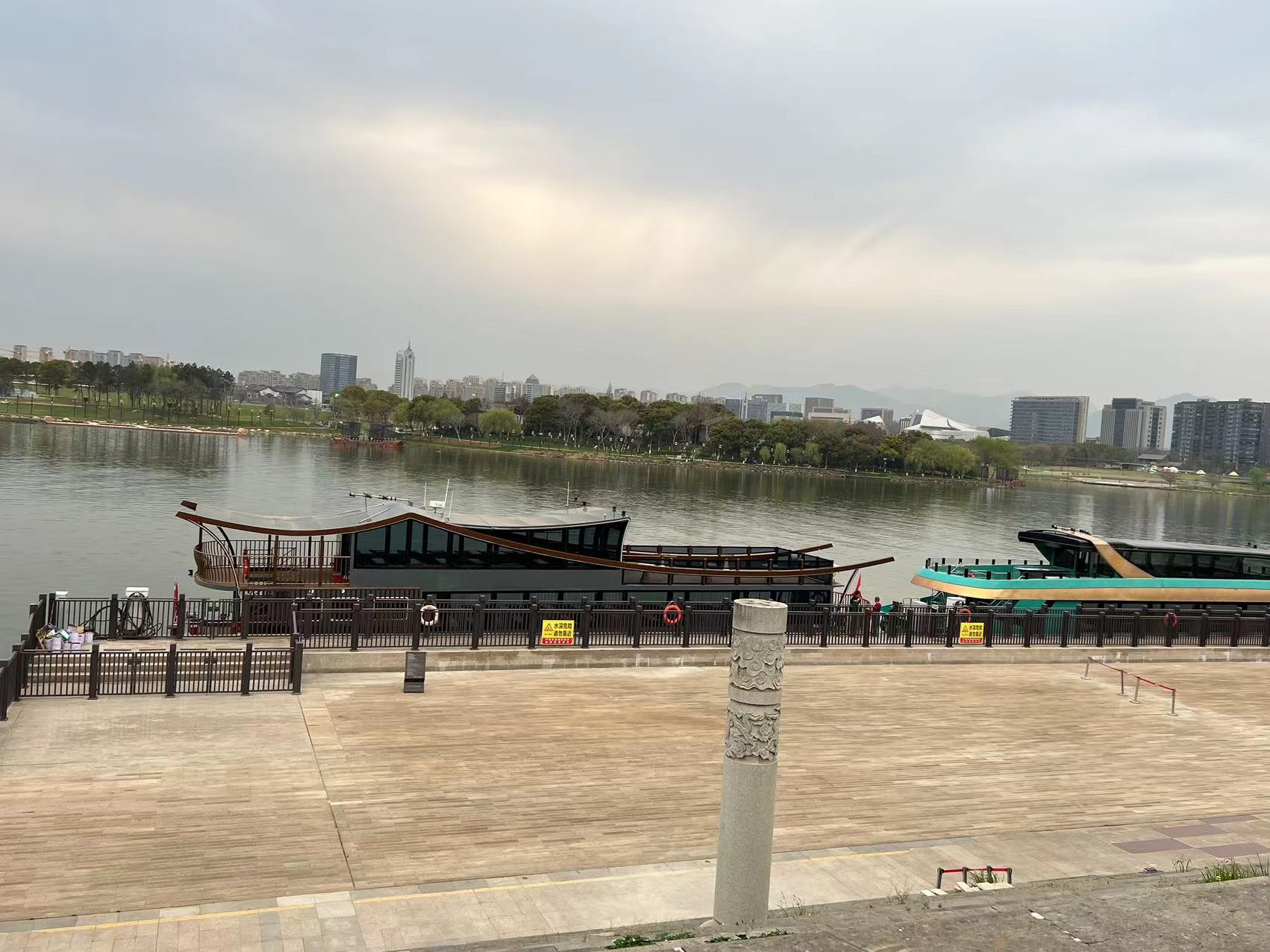
Shore power is crucial in the maritime industry. It allows ships to connect to land-based power sources while docked. This reduces reliance on onboard generators, which often emit pollutants. By using shore power, ports can minimize their environmental impact. It's an important step toward greener shipping practices.
Shore to Ship Power Converter systems are the backbone of this process. These systems convert the electrical supply from the shore to a format that ships can use. The conversion must be efficient and reliable. However, challenges remain, particularly in standardizing connections across different vessels. Sometimes, ships may still face compatibility issues.
Many ports are investing in shore power to comply with regulations. Yet, the installation costs can be high. Not all ports have the budget or infrastructure for these upgrades. This inconsistency can hinder the widespread adoption of shore power. It's essential to address these disparities to fully benefit from this technology. As the industry progresses, continuous improvement will be vital in making shore power accessible for all maritime operations.
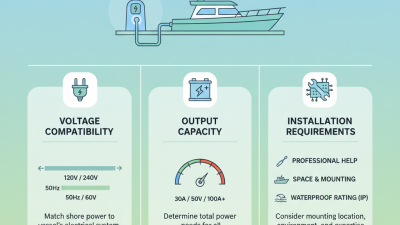
When it comes to shore power converters, key features can significantly impact their effectiveness. A primary aspect is adaptability. Effective converters must work seamlessly with various voltage and frequency standards. This flexibility ensures they can serve different vessels in diverse ports. Compatibility with multiple shipboard systems is crucial, allowing for a smooth transition between power sources.
Another important feature is energy efficiency. An efficient shore power converter minimizes energy loss during the transfer process. This not only saves costs but also reduces environmental impact. Monitoring capabilities add an extra layer of functionality. Real-time data on energy consumption and performance helps operators make informed decisions. However, achieving this might require ongoing software updates and system adjustments.
Safety is paramount, too. Converters need robust protection against overloads and short circuits. Ensuring the integrity of the electrical system onboard is essential. Despite these advancements, some operators overlook regular maintenance. Neglecting upkeep can lead to unexpected failures. Overall, prioritizing these features can lead to more reliable and efficient shore power solutions.
Shore power converters play a crucial role in enhancing energy efficiency for vessels in port. These systems allow ships to plug into a shore power grid, reducing their reliance on onboard generators. As environmental concerns grow, many brands focus on innovative technologies in this sector to lower emissions and improve performance.
Leading brands prioritize user-friendly interfaces and reliable power outputs. However, there’s a constant push to improve compatibility with various vessel types. Many solutions still face challenges in that regard. Creating seamless connects between shore power and diverse ships is critical for reduced downtime.
Converters vary in design and capabilities. Some specialize in high-voltage requirements, while others cater to smaller operations. Each has its unique strengths. Yet, questions remain. Are these converters truly meeting the needs of all users? A thorough evaluation of these systems is necessary. As technology evolves, so must our expectations and adaptations to ensure a sustainable future in maritime energy management.
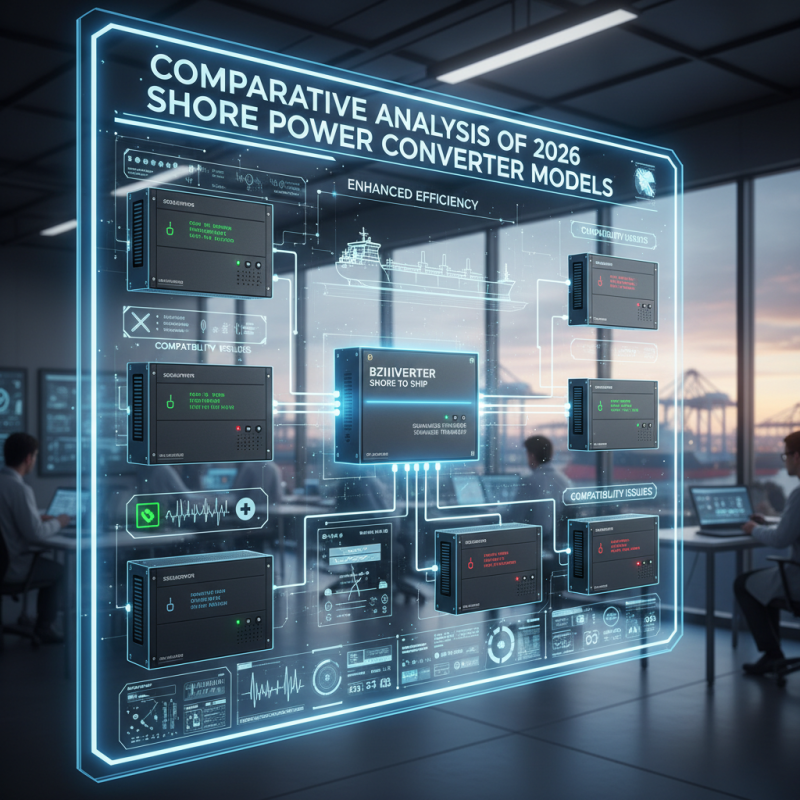
In 2026, the landscape of shore power converters has evolved significantly. This analysis highlights various models that promise enhanced performance. A strong contender is the Shore to Ship Voltage Converter. It's designed to ensure seamless power transfer for vessels at port. The focus is on efficiency and reliability. However, some models still show issues with compatibility across different ship systems.
Comparing specifications reveals distinct features among the converters. Some excel in power output, while others boast innovative energy-saving technologies. Yet, complexities can arise. For instance, certain converters may require extensive installation adjustments. Users have reported difficulties in integrating these systems with older vessels. Despite these setbacks, advancements in technology are promising. There's a clear push towards eco-friendly solutions.
Ultimately, the choice of a shore power converter model depends on specific needs. Many buyers are faced with tough decisions. Factors like cost, efficiency, and installation challenges make the process daunting. While options are growing, ensuring that the selected Shore to Ship Voltage Converter matches the vessel specifications remains crucial. Balancing performance and practicality can be a challenge worth addressing.
The future of shore power conversion systems is evolving rapidly. With stricter environmental regulations, there's an increasing demand for efficient energy solutions. The shift towards electrification in marine operations is undeniable. It’s a movement driven by sustainability. But, the technology isn't perfect yet. There are challenges to overcome.
Power Phase Converters are gaining attention for their versatility. They enable different voltage systems to connect seamlessly. However, adoption isn’t without hurdles. Many ports lack the infrastructure for advanced shore power systems. This gap creates opportunities but also raises questions about implementation. Training and upgrading facilities are crucial yet often overlooked.
Moreover, the compatibility of different systems can be problematic. There are variations in electrical standards worldwide. This leads to confusion and inefficient energy use. It's essential to address these inconsistencies. Innovation should not just focus on new designs but also on improving existing technologies. The industry must adapt and reflect on these challenges as it moves forward.
When installing shore power converters, attention to detail is crucial. The placement and environment play significant roles. For instance, converters should be sheltered from extreme weather. According to recent industry reports, nearly 30% of installation failures stem from improper site selection. Proper ventilation is also essential. Without it, overheating can lead to system malfunctions and costly repairs.
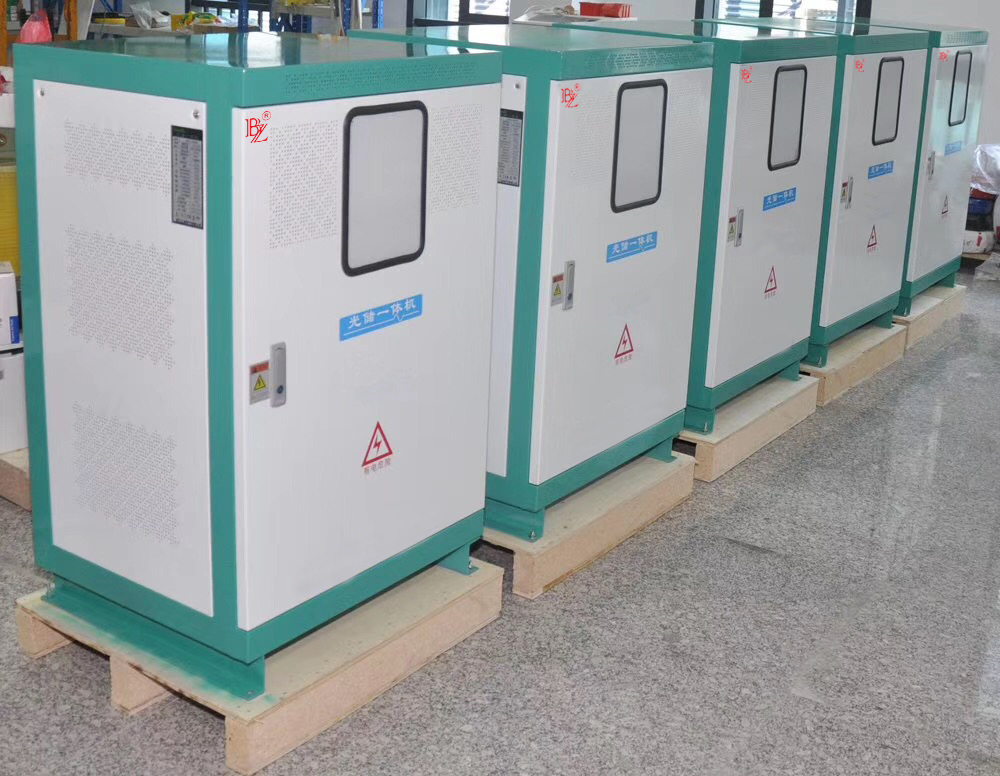
Maintenance cannot be overlooked. Regular inspections ensure that components remain in good condition. Routine checks should focus on connections, cables, and cooling systems. Inadequate maintenance can reduce efficiency by up to 15%, as stated in industry research. Adopt a proactive maintenance schedule to avoid expensive downtimes. Investing in quality Power Frequency Converters can enhance longevity but requires ongoing monitoring to maximize performance.
Users should also consider training personnel on handling these systems. Lack of understanding often results in mishandling, affecting reliability. Continuous education about advancements in technology can improve operational efficiency. It’s vital to reflect on training practices to refine existing protocols.
| Solution Type | Power Rating (kW) | Efficiency (%) | Installation Complexity | Maintenance Frequency |
|---|---|---|---|---|
| Single-Phase Converter | 50 | 90 | Low | Annual |
| Three-Phase Converter | 150 | 95 | Medium | Semi-Annual |
| Multi-Voltage Converter | 100 | 93 | High | Quarterly |
| Automatic Frequency Converter | 75 | 92 | Medium | Annual |
| Compact Shore Power Unit | 60 | 88 | Low | Annual |
: Shore power allows ships to connect to land power while docked, reducing onboard generator use.
It lowers pollutant emissions and helps ports minimize their environmental impact significantly.
Key features include adaptability, energy efficiency, monitoring capabilities, and safety measures.
It ensures compatibility with various voltage and frequency standards across different vessels and ports.
High installation costs and inconsistent infrastructure can hinder widespread implementation of shore power.
Regular upkeep prevents unexpected failures and ensures the reliability of electrical systems onboard.
Increasing demand for efficiency and sustainability is driving the evolution of shore power systems.
Variations in electrical standards worldwide can cause confusion and inefficient energy use.
Upgrading facilities and providing training for operators are essential steps toward effective implementation.
Focusing on improving existing technologies is crucial, not just creating new designs for shore power systems.
The article "2026 Best Shore Power Converter Solutions Explained" provides a comprehensive overview of shore power converter solutions and their significance in the maritime industry. Shore power converters play a crucial role in enabling vessels to connect to onshore electricity, reducing emissions and operational costs. The article highlights key features that enhance the effectiveness of these converters, such as efficiency, compatibility, and reliability.
Additionally, it presents a comparative analysis of the various shore power converter models available in 2026, examining their design and performance to guide users in making informed decisions. Future trends in shore power conversion systems are also explored, emphasizing innovations that could further improve sustainability in maritime operations. Lastly, the article addresses essential installation and maintenance considerations to ensure optimal performance and longevity of shore power converters, reaffirming their integral role in modern maritime infrastructure.